Industry / Telecoms & Tower Companies

500,000 BTS in Africa alone.
Three value streams.
Most operators are capturing one.

MNOs, towercos and telecom infrastructure operators run some of the largest distributed diesel networks on earth. Velox turns that liability into three simultaneous value streams: energy savings, certifiable carbon credits and a certified environmental data layer.

BTS diesel reduction Carbon credits ESG & CSRD 5G energy transition
Tower portfolio reality

What operators face across a distributed tower network today.

Under pressure
Diesel cost / tower
Up to 60% of opex in off-grid markets
Critical
5G energy multiplier
2-3x more energy per tower than 4G
Rising
Carbon credits captured
Revenue from diesel displacement
EUR 80-120/t
ESG pressure
CSRD, investor disclosure, green bonds
Increasing
Value streams captured
Most operators: energy only
1 of 3
500,000diesel-powered BTS in Africa alone.
3 layersEnergy + carbon + data. Same infrastructure.
The real opportunity

Most operators are solving the wrong problem

The standard response to tower energy cost is solar panels. That solves one problem — the fuel bill — and leaves two significant value streams entirely uncaptured. Velox is designed to capture all three simultaneously, from the same infrastructure point.

01

Energy savings

Hybrid wind and solar displaces 35-55% of diesel consumption per tower site. The savings compound at portfolio scale — and protect against fuel price volatility that solar-only cannot address on cloudy or windless days.

MTN South Sudan: -30% fuel. Airtel Africa: -50% diesel on pilot sites, saving $2.1M/year.
02

Certifiable carbon credits

Each litre of diesel displaced generates a measurable, timestamped CO2 avoidance — certifiable under Gold Standard by an accredited third party. Credits are not automatic but certifiable from day one of production.

At EUR 80-120/t, a 500-site pilot generating 10-15 tCO2/site/year represents EUR 200,000-450,000/year at 50% operator share.
03

Environmental field data

Each Velox node captures temperature, humidity, wind, pressure and air quality — continuously, at site level. Tower networks are already deployed where this data is most scarce and most valuable: remote areas, exposed zones, markets with no ground-truth climate measurement.

This data has commercial value to insurers, climate programs and development agencies. Terms are discussed directly with operators.
Africa, Asia & islands — diesel-dependent markets

The financial case is already there. Most operators are leaving it on the table.

In Sub-Saharan Africa and Southeast Asia, energy represents up to 60% of tower opex. Diesel prices have surged 40-200% in major markets over two years. The transition is no longer optional — it is being forced by economics, carbon obligations and investor ESG pressure simultaneously.

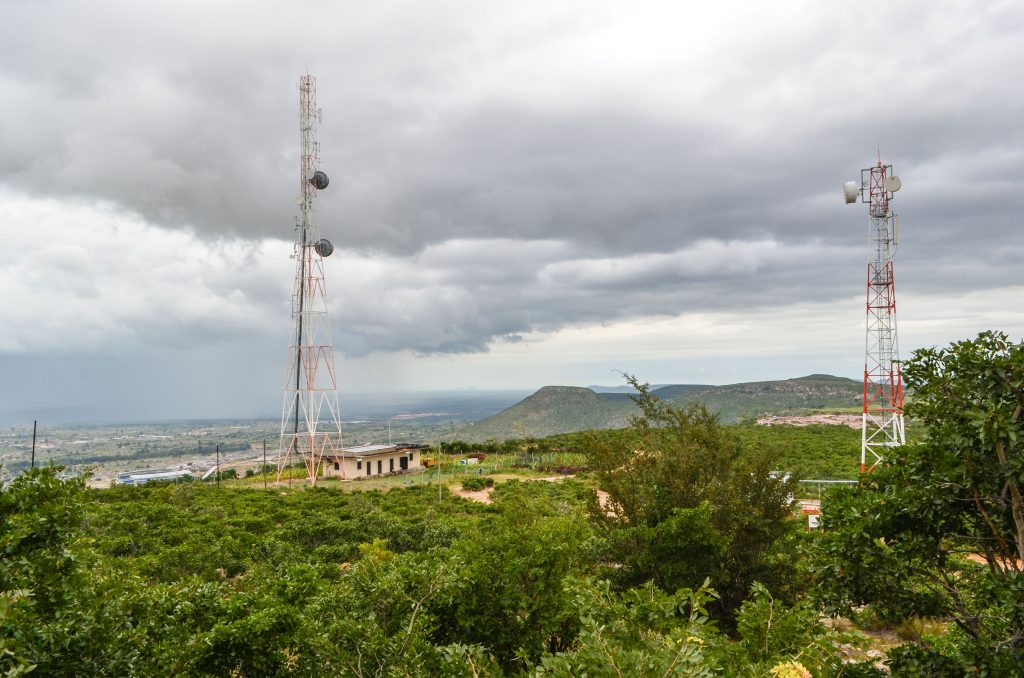
Isolated telecom towers in Africa — diesel-powered remote BTS

Remote BTS in Africa — diesel by default, hybrid by design from here.

The numbers are public

Nigerian operators: $400M/year in tower energy costs
MTN Nigeria: diesel price spike threatens $87-102M EBITDA in 2026
Vodacom Africa energy bill: $300M in 2025, up 5% despite mitigation
Safaricom: raised $153.6M in green bonds to fund tower energy transition
Africa: ~500,000 BTS, majority still diesel-powered
Southeast Asia (Indonesia, Philippines, Vietnam...): 78%+ of towers on grid/diesel hybrid — fuel logistics up to 35% of remote site opex

Why 5G makes it urgent

5G requires 2-3x more energy per tower than 4G, and tower density must increase fourfold for equivalent coverage. Deploying 5G on a diesel-dependent model is, in most African markets, economically prohibitive.

Operators transitioning now are building the energy foundation that 5G requires — and capturing carbon credit revenue that partly funds the transition.

MNOs

Direct fuel cost reduction across your active tower base. Carbon credits as a secondary revenue stream. Scope 1 data for ESG reporting.

Towercos

IHS, American Tower Africa, Helios: hybrid infrastructure improves tower opex and creates certified carbon and environmental data that strengthens your ESG narrative with investors.

IPPs & energy providers

Telecom tower clusters are ideal anchor clients for distributed hybrid generation — predictable consumption, remote locations, MRV data requirements.

Development finance

MRV-compatible production data from tower deployments supports GCF, AfDB and World Bank climate finance access — for operators and infrastructure funds.

Europe & North America — a different argument, same urgency

In developed markets, the pressure is ESG, 5G cost and investor scrutiny.

European and North American towercos and MNOs are not facing diesel bills — but they are facing CSRD disclosure obligations, investor ESG pressure, rising electricity costs from 5G densification, and the need for certified Scope 1/2 data across their distributed infrastructure.

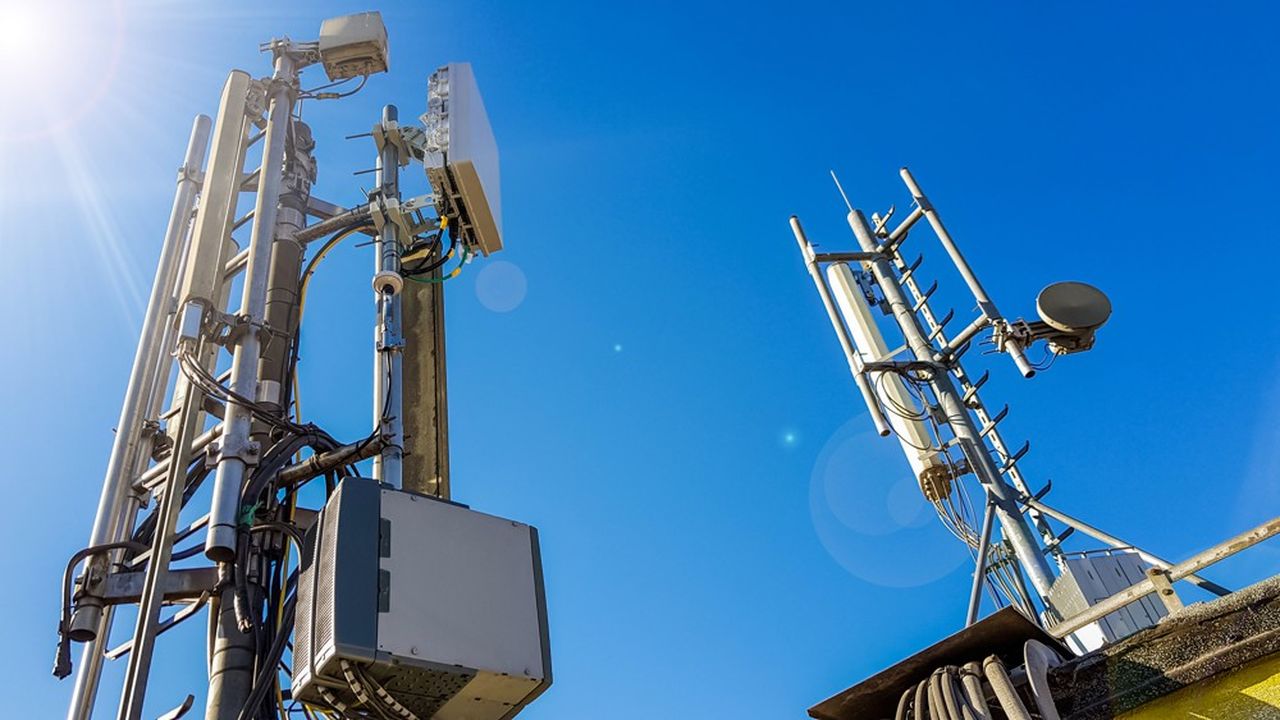
Telecom tower infrastructure in Europe

Towercos: Cellnex, Inwit, SBA, American Tower

Listed towercos manage tens of thousands of towers across Europe and North America. They are publicly traded, under institutional investor ESG scrutiny, and face CSRD mandatory climate disclosure from 2025. Their Scope 1/2 data challenge is structural: distributed infrastructure, fragmented energy reporting, no standardised environmental monitoring.

Velox creates a standardised monitoring layer across tower portfolios — certified production data, CO2 metrics and environmental signals, aggregated from actual sites rather than estimated from billing data.

The argument is not diesel. It is certified ESG data at portfolio scale — exactly what CSRD and institutional investors require.

5G energy cost pressure

5G densification multiplies per-tower energy consumption 2-3x. For operators managing 20,000+ European tower sites, on-site hybrid generation reduces the electricity bill and creates a resilience buffer against grid events — while generating the certified production data that supports green bond issuance.

CSRD & mandatory climate disclosure

From 2025, large European companies and listed entities must disclose climate data under CSRD. For towercos, this means Scope 1/2 data across thousands of distributed sites. Velox generates certified, auditable production and environmental data at site level — replacing estimates with field measurements.

Green bonds & ESG financing

Towercos increasingly finance infrastructure through green bonds. Certified on-site renewable production — documented, continuous, auditable — directly supports green bond eligibility criteria and strengthens the ESG narrative for institutional investors and rating agencies.

How a pilot starts

Start with a cluster. Prove the value. Scale across the portfolio.

The right first deployment targets a cluster of 20-100 towers where diesel cost, carbon impact or ESG data value can be measured quickly and used to justify portfolio-scale rollout.

1
Select the pilot cluster

Highest diesel cost, lowest grid reliability, strongest ESG visibility or most exposed to carbon reporting obligations.

2
Baseline & sizing

Assess fuel consumption, grid conditions, wind/solar exposure and carbon certification pathway per site.

3
Deploy & activate

1-2 WindPalm units per tower. Production, carbon and environmental data active from day one via portfolio dashboard.

4
Document & scale

Certified pilot results — fuel savings, CO2 avoided, ESG data — used to unlock portfolio rollout and climate finance.

20-50
towers / pilot cluster
Enough to generate statistically significant data for portfolio decision-making
35-55%
diesel displaced per site
Typical range depending on site conditions and hybrid configuration
Day 1
MRV data active
Production, carbon and environmental data capturing from first day of deployment

Discuss your tower portfolio with Velox

Whether you operate in diesel-heavy African markets or manage a European towerco portfolio under ESG pressure — tell us about your context and we will model the energy, carbon and data value for your infrastructure.

Read the BTS insight