
Why East Africa is a strong case for hybrid systems
East Africa combines several conditions that make hybrid energy particularly relevant: strong solar resource, local wind corridors in selected environments, rising electricity demand, and a continuing reliance on diesel generation where grid continuity is insufficient or where sites remain exposed.
In these contexts, the objective is not only cost optimization. It is also operational continuity. A hybrid WindTree system can support sites that need more predictable local production while reducing exposure to fuel logistics, diesel price volatility, and continuous generator runtime.
What it changes in real numbers
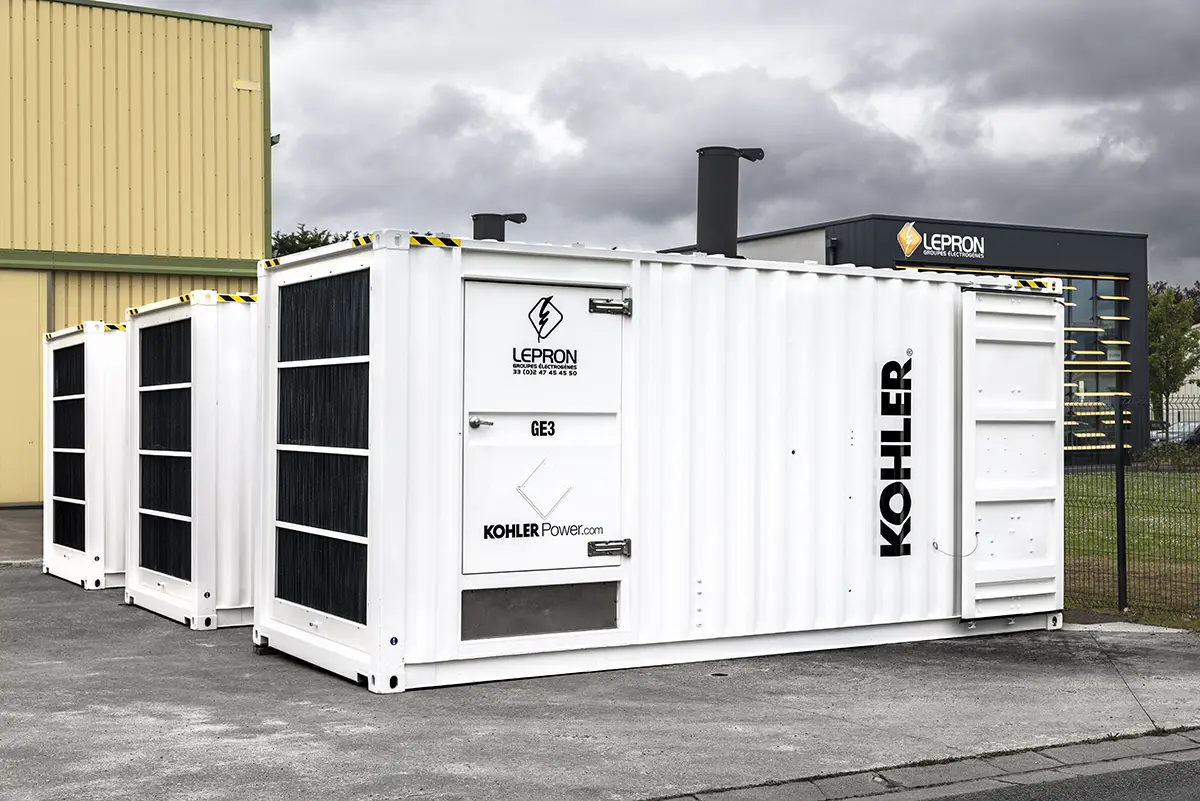
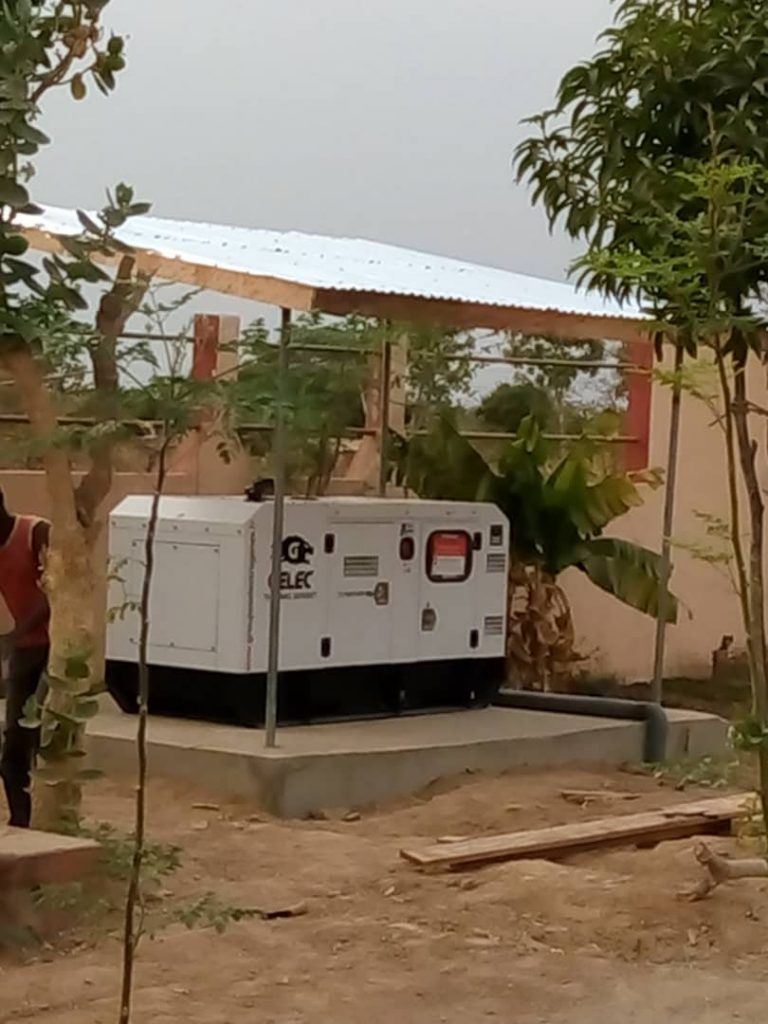
In diesel-dependent environments, every kilowatt-hour produced locally reduces fuel consumption, logistics constraints, and exposure to price volatility. Hybrid infrastructure does not replace diesel overnight — it reduces its structural role over time.
From diesel dependence to partial substitution
The WindTree hybrid configuration combines 9.0 kW of wind power with 940 Wc of solar contribution. Its strategic value lies in complementarity: solar supports daytime production, while wind can contribute beyond solar hours, allowing the system to participate in site energy supply on a broader time horizon.
The point is not to promise a full replacement of diesel in every case. The point is to replace a meaningful part of diesel-generated electricity with a cleaner, local, and continuous hybrid source.
This makes the model especially relevant for remote or semi-isolated sites where diesel generators remain the backbone of continuity. Every kilowatt-hour produced by the hybrid infrastructure can reduce the load carried by diesel, cut part of fuel consumption, and lower the carbon intensity of the site.
A typical site scenario
Consider a remote hospitality site, logistics platform, or operating base relying on diesel generators for most of its electricity.
Before hybrid deployment, the generator runs continuously to ensure energy availability, consuming fuel regardless of actual demand variability.
After deploying a hybrid WindTree system, part of the load is absorbed by local wind and solar production. The generator still operates — but less often, and under lower pressure.
The shift is not from diesel to zero diesel. It is from full dependency to partial autonomy.
A system designed to contribute 24/7
One of the main limits of purely solar systems in these contexts is that production is concentrated during daylight hours. A hybrid WindTree changes the logic. Because the infrastructure combines wind and solar, it is designed to contribute to site energy needs day and night rather than only during solar windows.
This 24/7 contribution does not mean flat output. It means a broader operating profile — one that can better align with the real rhythm of site consumption and reduce the burden on diesel over a longer portion of the day.
What changes operationally on site
From energy production to data infrastructure
Each deployed hybrid system is not only an energy asset. It is also a data node capturing real-time environmental and operational signals.
This data layer enables a new level of visibility for operators, insurers, and infrastructure owners — transforming energy systems into measurable, monitorable, and optimizable assets.
Energy is the entry point. Data is the long-term value layer.