Insight / Europe

Europe is entering its resilience era

The continent is not only accelerating electrification. It is increasing structural pressure on the grid. As Europe reduces its dependence on imported fossil fuels and expands decarbonized electricity, resilience is becoming a defining strategic constraint — not a secondary operational issue.

In this new phase, energy systems will be judged not only by how much they generate, but by how intelligently they absorb pressure, create local visibility, and strengthen stability at the edge of the network.

Electrification pressure Grid resilience Local visibility Distributed intelligence
The next phase of Europe’s energy transition will be defined not only by decarbonization, but by the resilience of increasingly electrified systems.
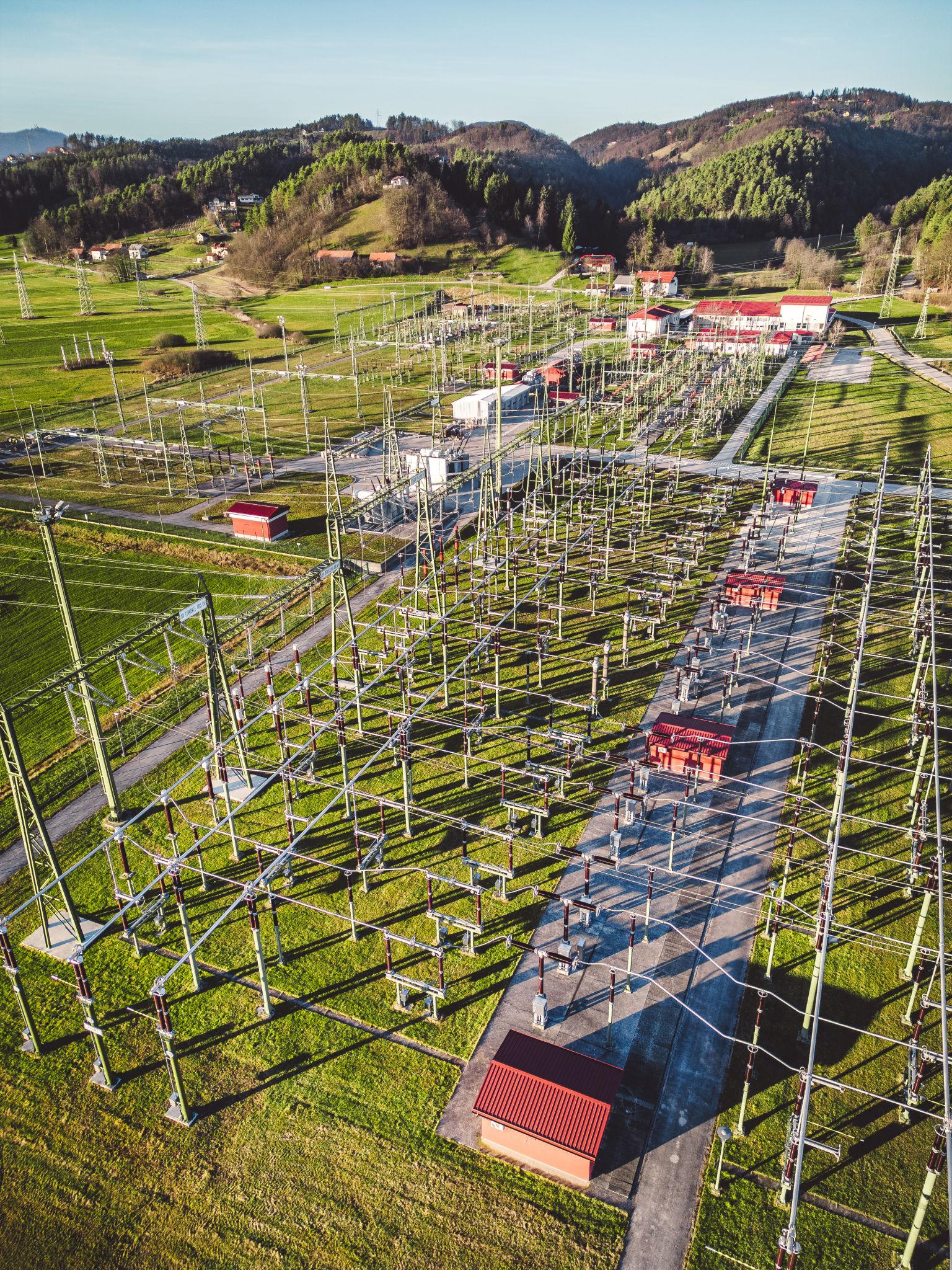
European high-voltage grid infrastructure and substation
Live infrastructure context
Grid pressure is becoming local before it becomes visible at system level. Distributed infrastructure can also become a source of operational awareness and real-world energy intelligence.
Structural shift

Grid pressure is no longer a temporary imbalance

Across Europe, electrification is expanding at the same time as climate adaptation, distributed energy deployment, and industrial transformation. This creates a new energy reality: power systems are being asked to carry more uses, more variability, and more local complexity than they were originally designed for.

The pressure is cumulative

The challenge is not driven by a single variable. It comes from the combined effect of electrified mobility, electric heating, industrial decarbonization, distributed renewables, and more dynamic demand patterns. Grid pressure is becoming structural because these trends reinforce each other rather than cancel each other out.

In that context, resilience can no longer be understood only as central generation adequacy. It increasingly depends on local flexibility, local production, and better awareness of what is happening at the edge of the system.

The missing layer is visibility

Resilience is not only about having capacity. It is about knowing what is happening, where, and early enough to act. Many local grid and energy decisions are still made with incomplete, delayed, or overly generalized information.

As distributed infrastructure expands, the real differentiator becomes operational visibility: the ability to understand local conditions, changing patterns, and stress points in real time rather than only through delayed system-wide views.

Grid resilience is not only an infrastructure challenge. It is also a data challenge: the ability to understand, anticipate, and react to local conditions in real time.
France as a signal

Electrification is also becoming a sovereignty strategy

France illustrates a broader European dynamic. Reducing dependence on imported fossil fuels increasingly means shifting more uses toward electricity while relying on domestic low-carbon production. In that sense, electrification is not only a decarbonization pathway — it is also a resilience and sovereignty strategy.

Less dependence on imported fossil fuels

The strategic logic is straightforward: the more key uses can move away from oil and gas, the less exposed economies remain to imported fossil energy, geopolitical shocks, and structural price volatility. Electrification is therefore becoming part of a broader effort to strengthen energy autonomy.

More pressure on electrical systems

But this same shift also increases pressure on power systems. As mobility, heating, and parts of industry rely more heavily on electricity, resilience becomes inseparable from local generation, localized monitoring, and better operational coordination across distributed assets.

Europe’s energy transition is not only about decarbonization. It is increasingly about replacing fossil dependence with electrical resilience.
European policy context

Decarbonization policy is accelerating the need for resilience

Europe’s climate and energy framework is pushing in the same direction: lower emissions, more energy efficiency, more renewable energy, and ultimately a more decarbonized economy. But the faster electrification moves, the more critical grid resilience and local system intelligence become.

Climate neutrality

The European climate framework is built around a long-term transition toward climate neutrality, reinforcing the role of decarbonized electricity and lower fossil dependence across the economy.

Fit for 55 logic

The EU’s climate package translates decarbonization ambition into sectoral change. That means more electrified uses, more efficiency, and more distributed energy integration across transport, buildings, and industry.

ESG and infrastructure quality

ESG expectations increasingly extend beyond emissions disclosure. They now include resilience, operational robustness, and the credibility of decarbonized infrastructure in real operating conditions.

Implications

What this means for Europe

If electrification continues to scale while local stress intensifies, three implications become increasingly clear.

Distributed generation gains strategic value

Local production is no longer only a sustainability feature. It becomes part of the resilience equation, especially where networks are constrained or exposed.

Operational visibility becomes critical

Distributed assets can do more than inject power. They can become visibility nodes that improve awareness, anticipation, and decision-making across increasingly complex energy environments.

Intelligent infrastructure will outperform passive assets

The future belongs to distributed systems that do more than generate. They must also sense, inform, and support faster operational decisions at the edge of the grid.

The edge of the grid is becoming more than a delivery point. It is becoming a strategic intelligence layer.
For utilities, infrastructure operators, and energy-intensive industries, this shift changes the nature of decision-making: resilience is no longer managed only centrally — it must also be understood and acted upon locally, in real time.

From local generation to local resilience

Velox believes the future of energy resilience in Europe will belong to systems that are both distributed and intelligent — capable not only of generating power, but also of creating visibility where it matters most.

Velox builds and operates distributed infrastructure designed to both generate energy and create real-world visibility at the edge of the grid. Distributed infrastructure can become more than a production asset. It can become a source of operational awareness, local context, and real-world intelligence in an increasingly constrained electrical landscape.