Why East Africa is a strong case for hybrid systems
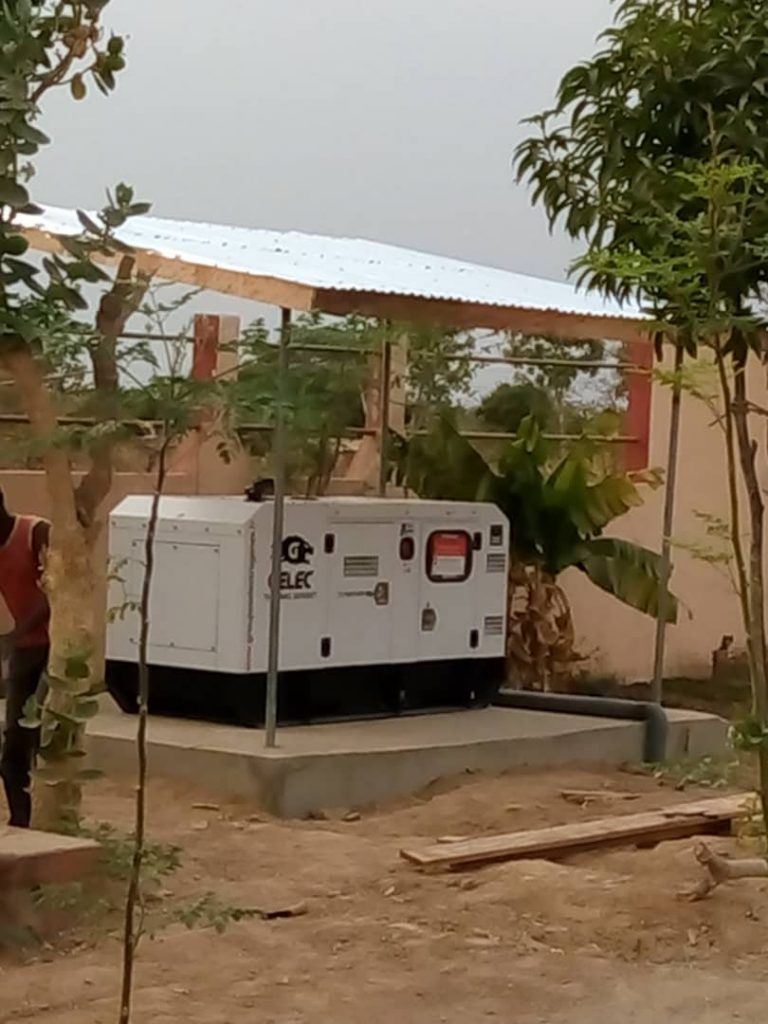
East Africa combines several conditions that make hybrid energy particularly relevant: strong solar resource, local wind corridors in selected environments, rising electricity demand, and a continuing reliance on diesel generation where grid continuity is insufficient or where sites remain exposed.
In these contexts, the objective is not only cost optimization. It is also operational continuity. A hybrid WindTree system can support sites that need more predictable local production while reducing exposure to fuel logistics, diesel price volatility, and continuous generator runtime.
From diesel dependence to partial substitution
The WindTree hybrid configuration considered here combines 9.0 kW of wind power with 940 Wc of solar contribution. Its strategic value lies in complementarity: solar supports daytime production, while wind can contribute beyond solar hours, allowing the system to participate in site energy supply on a broader time horizon.
This makes the model especially relevant for remote or semi-isolated sites where diesel generators remain the backbone of continuity. Every kilowatt-hour produced by the hybrid infrastructure can reduce the load carried by diesel, cut part of fuel consumption, and lower the carbon intensity of the site.
A system designed to contribute 24/7
One of the main limits of purely solar systems in these contexts is that production is concentrated during daylight hours. A hybrid WindTree changes the logic. Because the infrastructure combines wind and solar, it is designed to contribute to site energy needs day and night rather than only during solar windows.
This 24/7 contribution does not mean flat output. It means a broader operating profile — one that can better align with the real rhythm of site consumption and reduce the burden on diesel over a longer portion of the day.
What changes operationally on site
- Lower runtime pressure on the diesel generator.
- Reduced share of electricity produced from fuel alone.
- Improved resilience through diversified on-site generation.
- More visible and more strategic infrastructure for isolated environments.
- A foundation for future monitoring and intelligence layers if connected.
Infrastructure that fits the reality of isolated environments
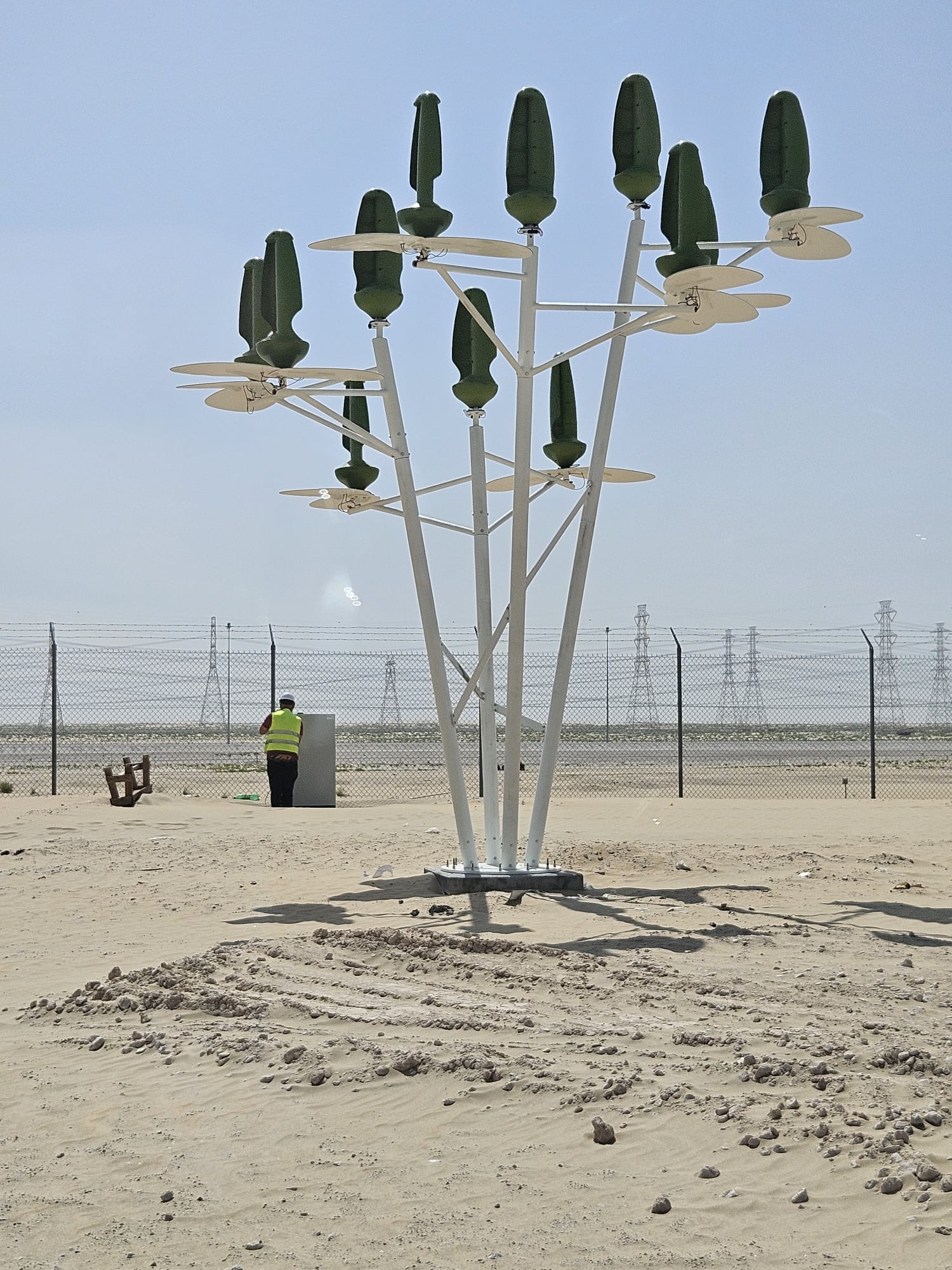
The desert installation image shows why this model matters. In exposed and isolated environments, conventional centralized energy logic is often too rigid. The relevant question is not whether local infrastructure can do everything. It is whether it can carry a meaningful part of the load, reduce dependency, and improve resilience under real site conditions.
That is where a hybrid WindTree becomes more than a clean-tech object. It becomes operating infrastructure.