Energy dependency at site level
Logistics hubs, warehouses, cold storage facilities and automated sites require constant power. Grid instability, energy price volatility or diesel dependency directly affect continuity, costs and service quality.
Transport and logistics performance depends on continuity, energy resilience and earlier visibility into disruption. Velox combines hybrid infrastructure, field data and AI-powered intelligence to help operators secure sites, reduce dependency and anticipate operational friction earlier.
Logistics operators face a dual challenge: keeping sites powered under increasingly volatile energy conditions, and maintaining transport performance despite rising climate disruption across routes, hubs and supply chains.
Logistics hubs, warehouses, cold storage facilities and automated sites require constant power. Grid instability, energy price volatility or diesel dependency directly affect continuity, costs and service quality.
Wind, heat, storms, flooding or localized environmental instability increasingly affect transport reliability. Without real-world data and anticipation, operations remain reactive instead of controlled.
Velox creates a new operational layer for logistics players: local energy where continuity matters, field intelligence where visibility is missing, and AI where anticipation creates strategic advantage.
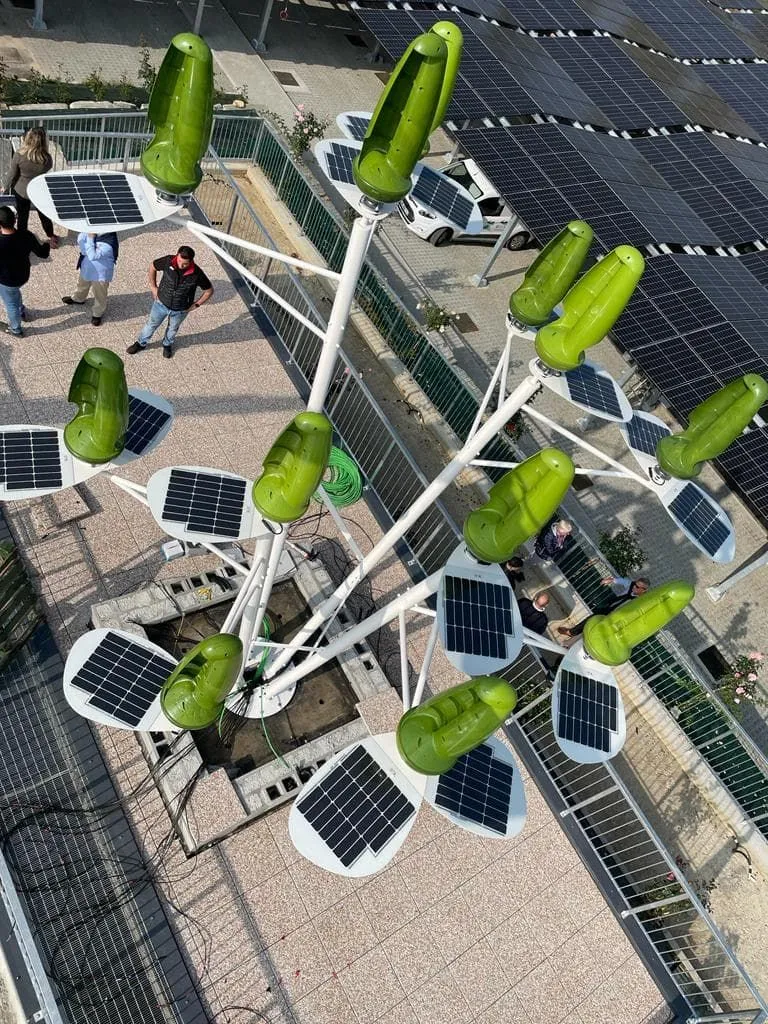
Velox helps logistics sites reduce reliance on fragile grids and fuel-based backup by adding local hybrid production where operational continuity matters most.

Ports, logistics hubs and exposed industrial sites depend on reliable power for security, lighting, digital systems, equipment and continuous operations. In these environments, continuity cannot rely only on ideal grid conditions.
Hybrid wind and solar infrastructure helps create local production capacity directly where operational resilience matters most — especially across port areas, waterfront logistics zones and critical edge infrastructure.
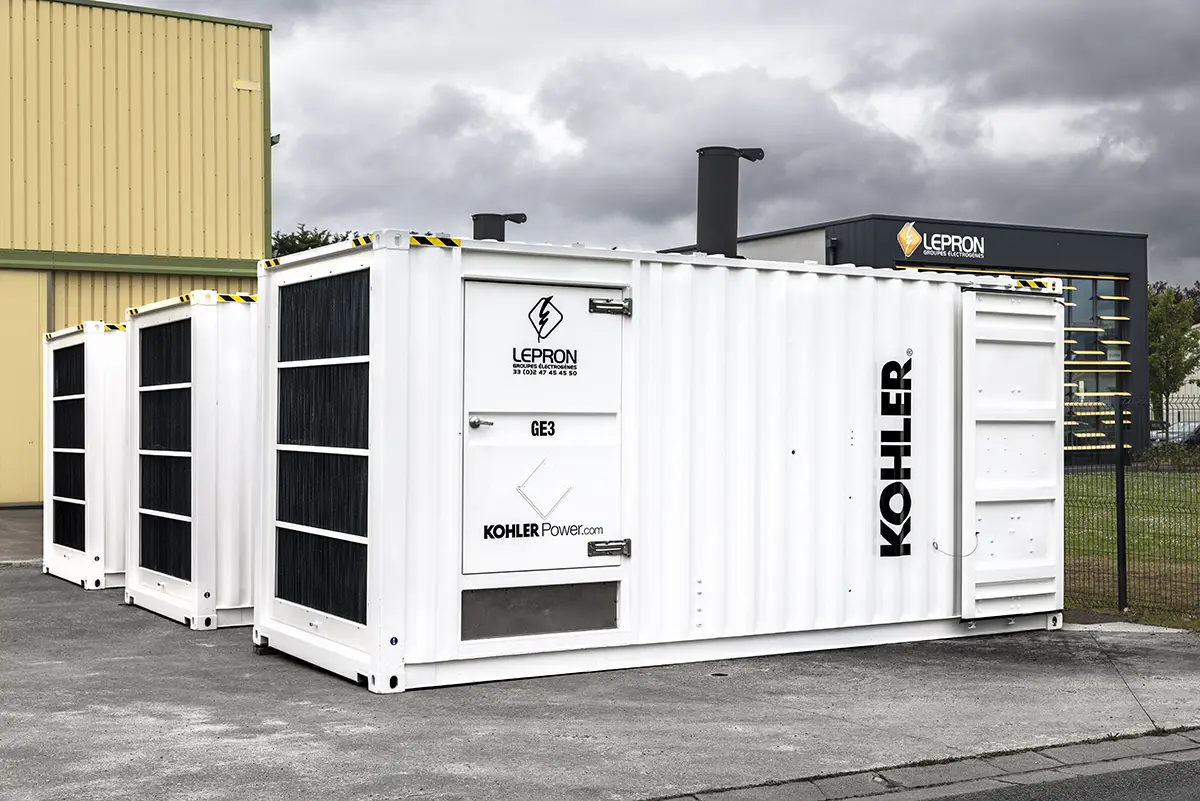
Many logistics and industrial sites still rely on diesel-based backup to secure continuity. But fuel dependency creates its own operational exposure: supply constraints, price volatility, maintenance burden and reduced predictability.
By strengthening local energy resilience, Velox helps operators reduce reliance on backup fuel logistics and build a more stable operating base for time-sensitive activities.
Beyond site energy, Velox creates a real-world environmental data layer that helps transport and logistics teams move from reactive disruption management to predictive operational control.
Continuous field data on wind, temperature, humidity and local environmental conditions can improve visibility across logistics zones and exposed transport contexts. This is especially relevant where climate variability directly affects delivery performance, route reliability or asset exposure.
By combining real-world signals with predictive models, Velox can help operators identify conditions that may lead to delays, operational friction or route disruption earlier. The goal is simple: act before disruption becomes visible in execution.
Velox is not just an infrastructure story. It is a continuity, predictability and performance story for operations that depend on both energy and environmental control.
Reduce energy vulnerability across warehouses, hubs and logistics facilities.
Decrease reliance on backup fuel and improve cost and continuity predictability.
Detect environmental instability sooner and support faster operational adaptation.
Support planning, routing and operational prioritization with real-world data and AI.
Velox helps transport and logistics operators reduce site energy risk, anticipate climate-related disruptions and build more resilient operations through hybrid infrastructure, field data and intelligent monitoring.
Initial discussions typically begin with site exposure, energy dependency, transport constraints and operational continuity objectives.