Traditional data stack
- Heavily modeled and interpolated data
- Indirect observation of real conditions
- Lower local precision at asset level
- Useful for overview, weaker for validation
- Often delayed for operational action
Reduce uncertainty, improve underwriting precision, and anticipate climate risk using real-world field data.
Climate volatility is increasing, assets are more exposed, and traditional models alone are no longer sufficient. Insurers need real-world signals to understand what is actually happening on the ground and anticipate risk more effectively.
Traditional insurance analysis still relies heavily on modeled data, delayed observations, or low-resolution external sources. Velox adds something much more strategic: real-world ground signals captured where assets actually operate.
Velox is not a generic “data story”. It supports specific decisions across climate risk analysis, underwriting decisions, and portfolio intelligence.
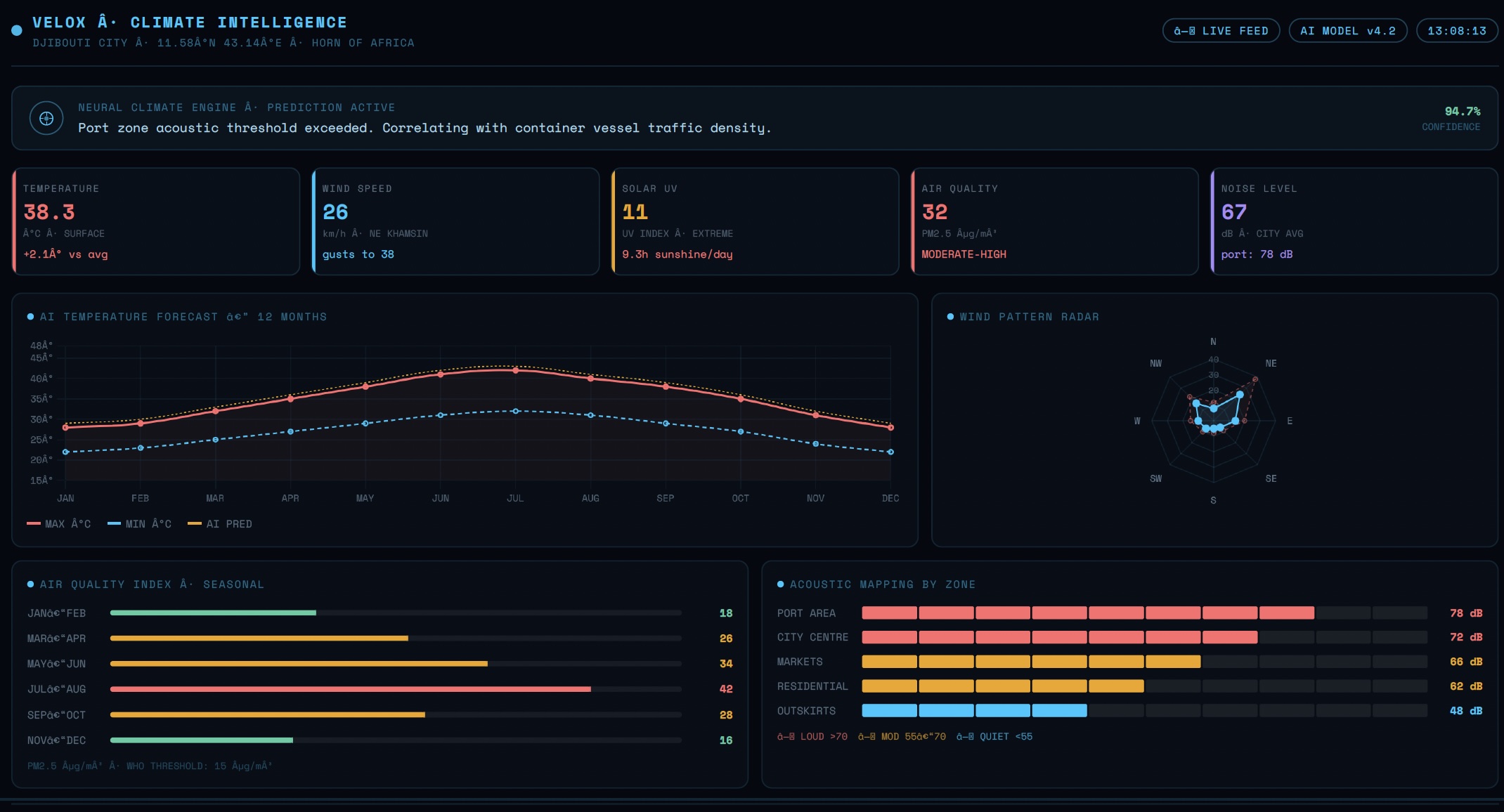
Climate risk is no longer a static modeling exercise. It is becoming a live operational challenge that requires continuous measurement, sharper local visibility, and faster interpretation of changing conditions.
Velox enables a shift from broad climate assumptions to real-world climate intelligence. By capturing field-level environmental signals directly on site, the platform helps insurers and reinsurers measure exposure with greater precision, enrich risk models, and detect abnormal patterns earlier.
This transforms climate risk management from a periodic analytical process into a more dynamic decision layer — one that supports anticipation, portfolio monitoring, and more relevant AI-driven risk assessment across exposed assets and territories.
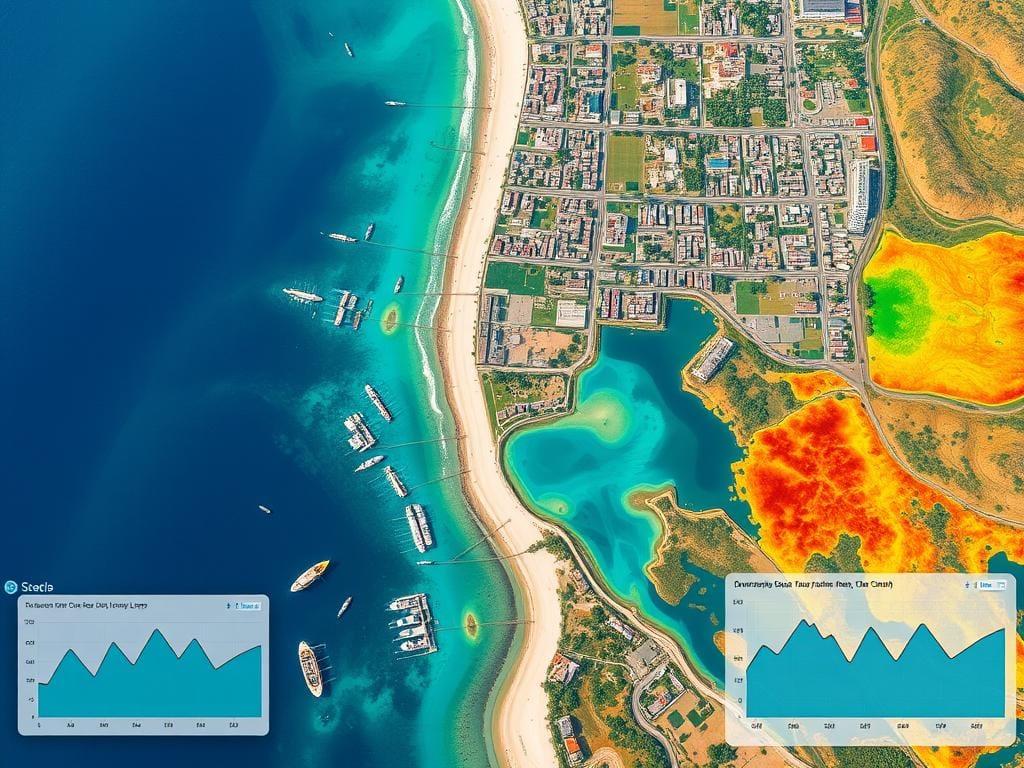
Underwriting quality depends on the quality of the data behind it. Yet in many cases, insurers still rely on broad modeled assumptions, incomplete local context, or historical proxies that do not fully reflect how assets are actually exposed on the ground.
Velox adds a new layer of underwriting intelligence by bringing real-world field signals into the decision process. Local environmental data, site-level operational context, and live exposure patterns can help insurers refine risk selection, strengthen pricing logic, and improve the quality of portfolio construction.
This enables a shift from generalized underwriting assumptions toward a more dynamic and evidence-based view of risk — one that supports better segmentation, sharper decisions, and more relevant AI-driven underwriting models.
Velox is not starting from zero. The approach is built on existing deployed infrastructure and real-world field intelligence capabilities that can be activated, connected, and extended across relevant territories or asset clusters.
Leverage already deployed infrastructure and live field signals where relevant environmental exposure already exists.
Identify the regions, asset classes, or portfolios where real-world local data can immediately improve visibility and decisions.
Use field intelligence to enrich underwriting, risk monitoring, and portfolio analysis without redesigning the entire operating model.
Expand coverage selectively in areas where more granular data can create the strongest underwriting and risk advantage.
The strategic value of Velox is not only better measurement. It is the ability to connect infrastructure, field data, and AI into an insurance-grade decision layer.
Improve local context around insured assets and reduce dependence on generic exposure assumptions.
Track evolving environmental conditions instead of relying only on periodic model updates.
Support risk validation and portfolio decisions with real-world site signals and consistent data.
Feed prediction engines, risk scoring systems, and operational decision tools with higher-quality inputs.
Velox helps insurers and reinsurers explore how local environmental signals, live infrastructure data, and AI models can improve anticipation, underwriting decisions, portfolio management, and risk intelligence.
Pilot deployment typically starts within 4–8 weeks on selected assets or regions.